

Match the brief
For a restaurant identity pitch, lead with hospitality branding rather than an unrelated packaging project. Show the type of work the prospect is actually commissioning.
A potential client needs to see how your design decisions translate into finished work. Select a few relevant projects, show the context behind each outcome and share one focused gallery alongside your proposal.
A branding client, an interior design client and an illustration commissioner will look for different evidence. The strongest selection is not necessarily your largest project: it is the one that helps a prospective client understand your approach to a similar brief.
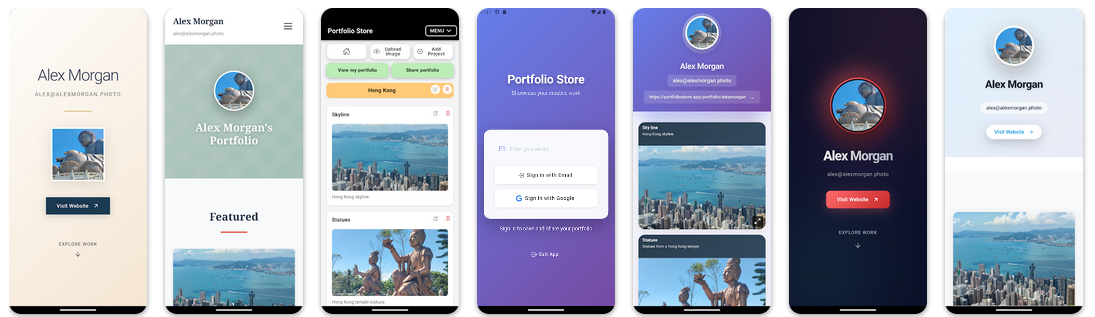
THE DISCOVERY NETWORK
Go beyond a name or a listing. Explore real projects, different skills and the professionals bringing them to life.
Real portfolios. Real work. Your next connection.
For a restaurant identity pitch, lead with hospitality branding rather than an unrelated packaging project. Show the type of work the prospect is actually commissioning.
Add a short description of the audience, constraints and your role. A finished logo or room photograph becomes more useful when the client understands what it was designed to solve.
Start with the strongest finished result, follow with supporting applications or details, and keep each client project clearly separated. Avoid implying that unapproved concepts were delivered.
Use only work you are allowed to publish. Credit collaborators, distinguish personal concepts from commissioned work, and remove confidential material before sharing a public link.
Illustrative outline only: this is a fictional selection plan, not a real customer project or a Portfolio Store template. Replace each slot with your own authorized work.
Cover: the finished visual identity in a real-world application. Image two: a close-up of the typography and colour system. Image three: signage or packaging that shows practical use. Image four: a second application demonstrating consistency. Image five: a detail that illustrates your craft, such as a custom illustration or layout.
Introduce the project with two sentences: the client's problem and the part of the work you delivered. If your experience is in digital products rather than brand identity, apply the same logic to a relevant interface project, with the finished screen first and supporting states afterward.
This gallery complements a proposal; it does not replace scope, timeline, budget or terms. Portfolio Store publishes visual projects and a shareable portfolio link. It is not a proposal generator, quotation system or client approval platform.
You can start with a hosted portfolio link without buying a domain. For additional projects and images, see current plans; eligible paid plans also offer custom domains.
Usually a shorter selection is easier to assess. Start with the projects most relevant to the client's sector and intended deliverables.
Yes, when you have the rights to publish it. Label it as a self-initiated concept, not a commissioned or delivered client project.
No. A portfolio demonstrates past work; a proposal sets out the new project's scope, price and schedule. Use them together.
No. Keep proposals, estimates, contracts and client approvals in your existing tools.
Yes. Published public portfolios are viewable through a browser link.
Yes. The Free plan currently allows one project with up to five images. Review paid plan limits before preparing a larger collection.
Choose the work that answers your prospective client's questions, then share a portfolio they can explore.